







Tourism: More Than Just an Economic Industry
Tourism is not merely a means of economic earnings and an industry. It is also a powerful medium that connects different cultures, civilizations, nature and human communities. It fosters mutual understanding, tolerance, harmony and peace among people, bringing people across the world closer
together. Therefore, tourism is not only the foundation of Nepal’s economic prosperity but also an important medium for expanding our identity, culture and international relations.
In the context of Nepal, tourism contributes 6 to 7 percent to the national economy and has created more than 10 lakh direct and indirect jobs. Bagmati Province contributes 36.5 percent to the country’s total Gross Domestic Product, in which the tourism sector plays a significant role. Bagmati Province has contributed Rs 152 billion 76 crore to the total revenue from the hospitality industry, which is the largest share in the country.
In 2025, 11 lakh 58 thousand 459 international tourists visited Nepal, which is 96.8 percent compared to 2019. From January to June 2026, 5 lakh 67 thousand 410 tourists have arrived, which is 15 to 20 percent more than 2025. Data from various tourism-related statistics also show a significant increase in the rate of tourists staying in hotels in Bagmati Province.
Commitment After Challenges
 This year, along with tourism celebrations, we are also making a commitment to challenges and recovery. Due to climate change, incidents of natural disasters are increasing worldwide. In Nepal too, monsoon floods, landslides, avalanches and other natural calamities have caused damage to life, property, roads, trekking routes, hotels and tourism infrastructure.
The direct impact of climate change is particularly visible in Bagmati Province. Seasonal floods and droughts in the Sun Koshi, Tamakoshi, Narayani and Bagmati river basins, increased rate of glacier melting in Himalayan regions, and wildfire incidents are seriously affecting tourism infrastructure.
In September 2026, the Bhote Koshi flood washed away roads and bridges connecting Langtang, forcing tourists to depend on helicopters. As a result, tourist arrivals immediately dropped by 18.3 percent, with devastating floods being the main cause, followed by confusion in relief and rescue operations and government attitude being major factors. Landslides during the monsoon season blocked trekking routes in Dhading, Nuwakot and Rasuwa. Since such disasters directly affect the tourism sector, the need to make tourism development climate-friendly, safe and sustainable has become even more clear.
Indomitable Courage After Disasters
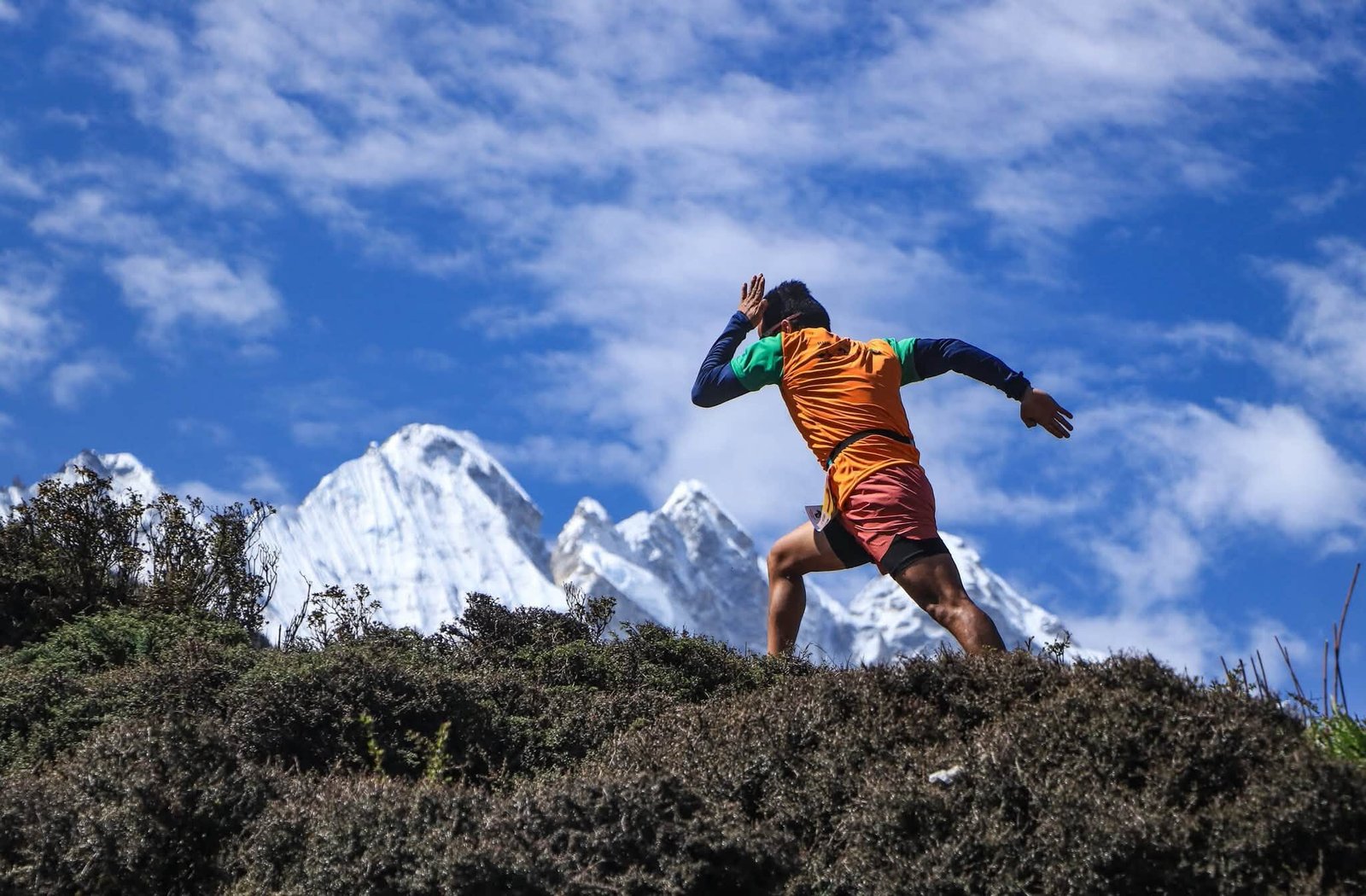
Disasters have caused tremendous damage to our tourism and its supporting infrastructure, but they certainly have not been able to weaken the courage, patience and hospitality of the Nepali people. We have learned from the crises ranging from the devastating earthquake of 2015 to the COVID-19 pandemic that recovery after challenges is possible. Within Bagmati Province, trekking routes including Langtang and various tourism-related religious and archaeological structures were destroyed, yet we have numerous examples of their reconstruction and recovery. Looking at recent statistics of the overall tourism industry, Nepali people and the tourism sector have emerged stronger and more refined after every crisis. Therefore, even in the current difficult situation, tourism entrepreneurs, workers in the tourism sector and general citizens related to tourism can move forward with patience, hope and self-confidence. For this, the government needs to provide policy support along with various supportive programs and infrastructure.
Changing Tourism Market
Today, the world is standing at the confluence of geopolitical tensions, economic fluctuations and climate crisis. The changing global tourism market is also prioritizing safe, responsible, green and community-friendly tourism. According to global tourist psychology, tourists are now looking for destinations that contribute to environmental conservation and the welfare of local communities. After COVID, health security, insurance and rescue systems have been given high priority. Tourists want not just sightseeing but experiences of local culture, food and lifestyle. The practice of obtaining information through online booking systems, digital payment methods and social media has increased.
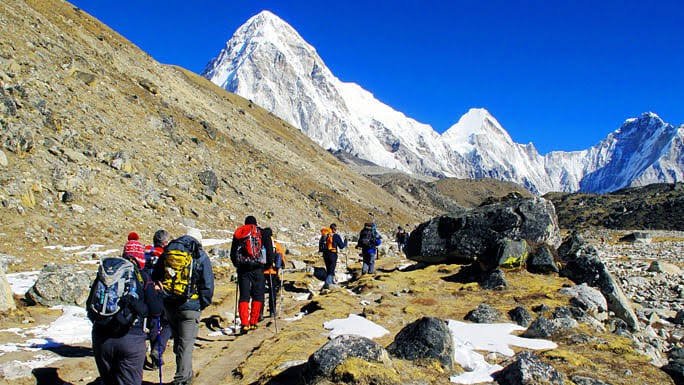
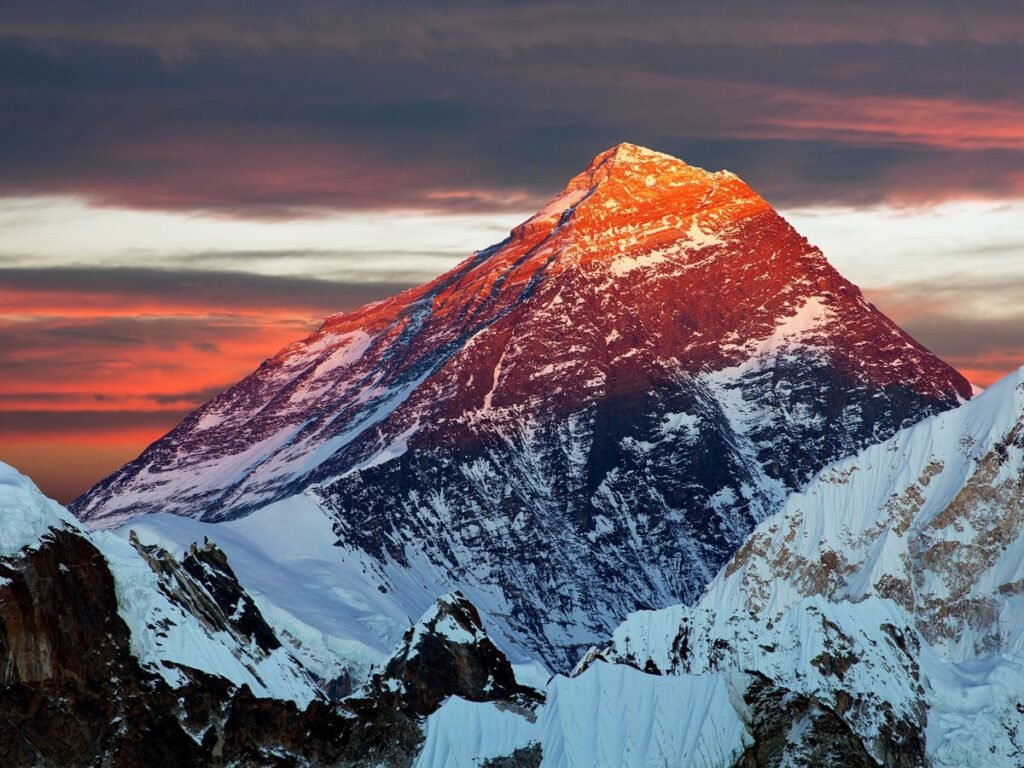
Looking at Nepal’s context, we have comparative advantages in cultural diversity. There are more than 100 ethnic groups, more than 100 languages, and numerous religions and traditions. In geographical diversity, 8 of the 8 mountains above 8,000 meters are in Nepal. For religious tolerance, Lumbini (birthplace of Buddha), Pashupatinath, and Muktinath are spiritual centers. We have major adventure tourism activities like trekking, mountaineering, rafting, and paragliding. Therefore, these need special attention, and cooperation and solidarity of all stakeholders is necessary.
Bagmati Province as the Heart of Tourism
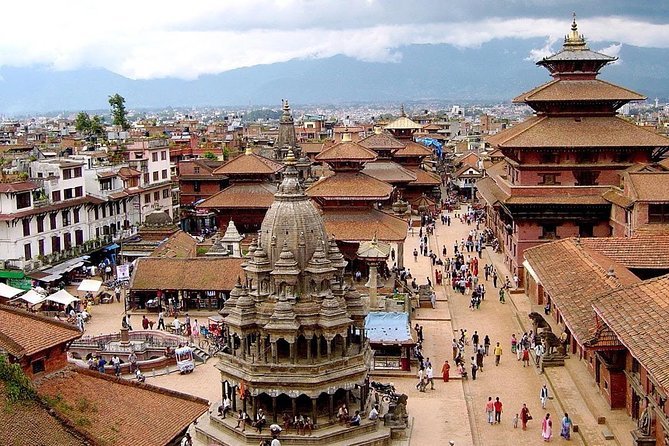
Bagmati Province is the heart of Nepal’s tourism sector and the most important and strong province economically. This province contributes 36.5 percent to the country’s total GDP and is also the center point of tourism infrastructure, hotel business and cultural heritage. The area of this province is 20,300 square kilometers. The population is 60 lakh 80 thousand, which is the highest in the country. It has 13 districts: Kathmandu, Lalitpur, Bhaktapur, Chitwan, Makwanpur, Dhading, Nuwakot, Rasuwa, Ramechhap, Dolakha, Sindhupalchok, Kavrepalanchok, and Sindhuli. Although Hetauda is the capital, Kathmandu Valley and its surrounding areas are the economic and tourism centers.
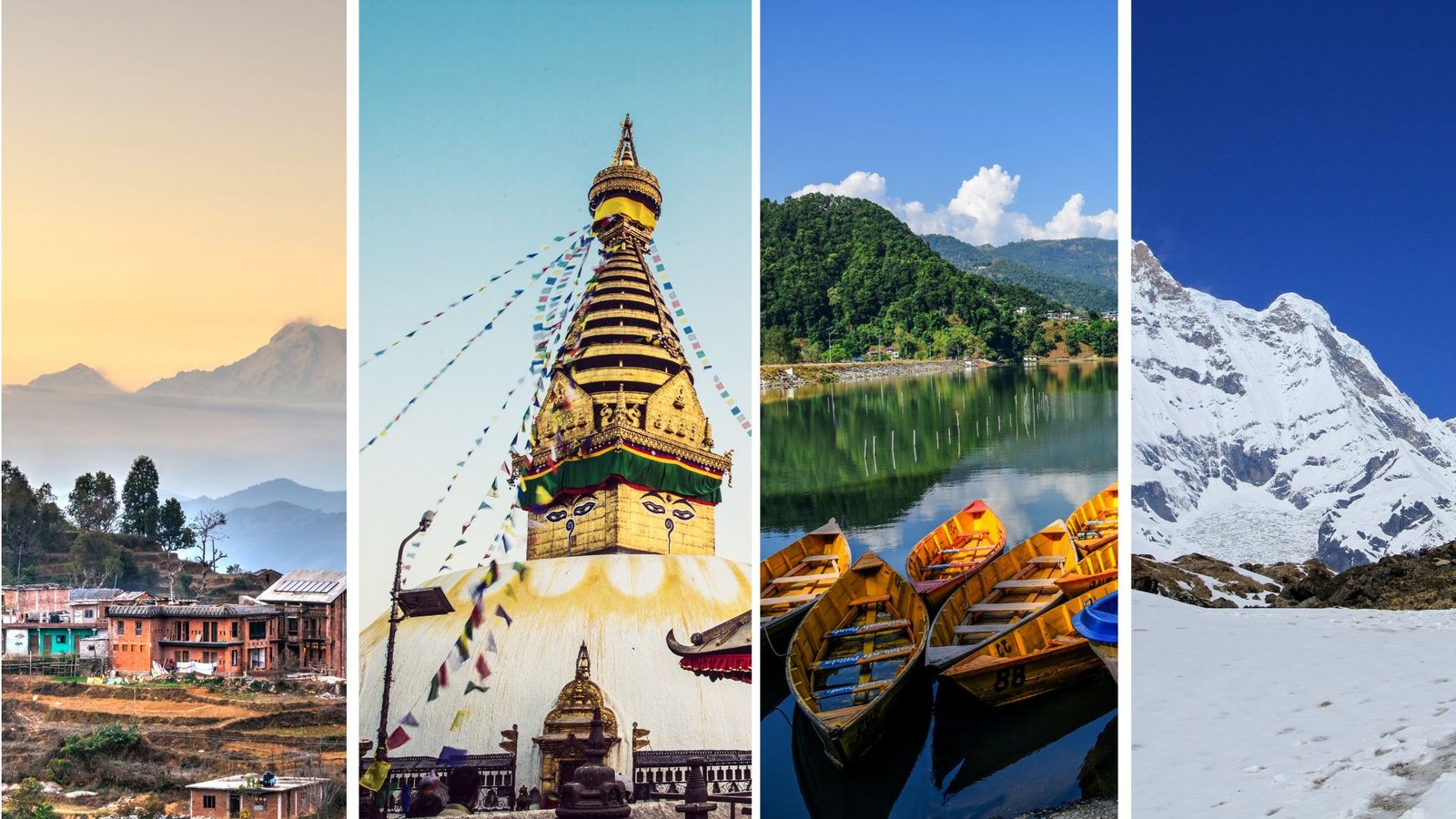
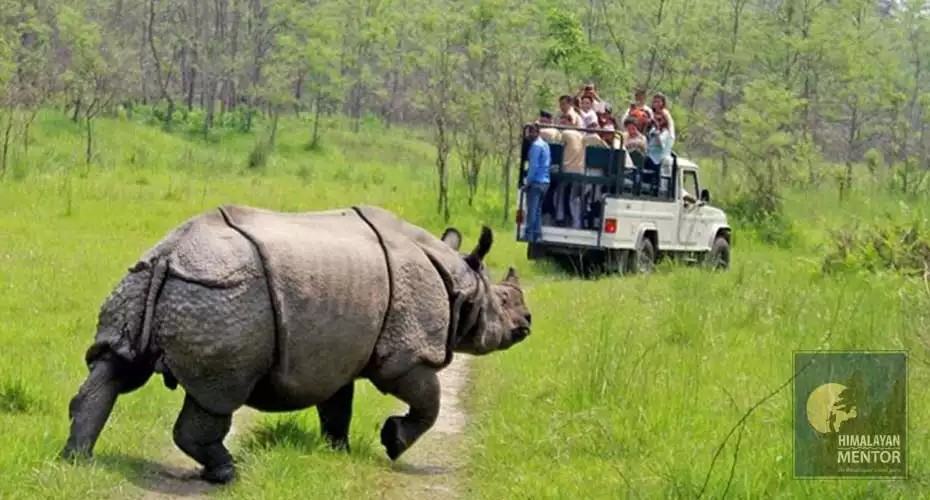
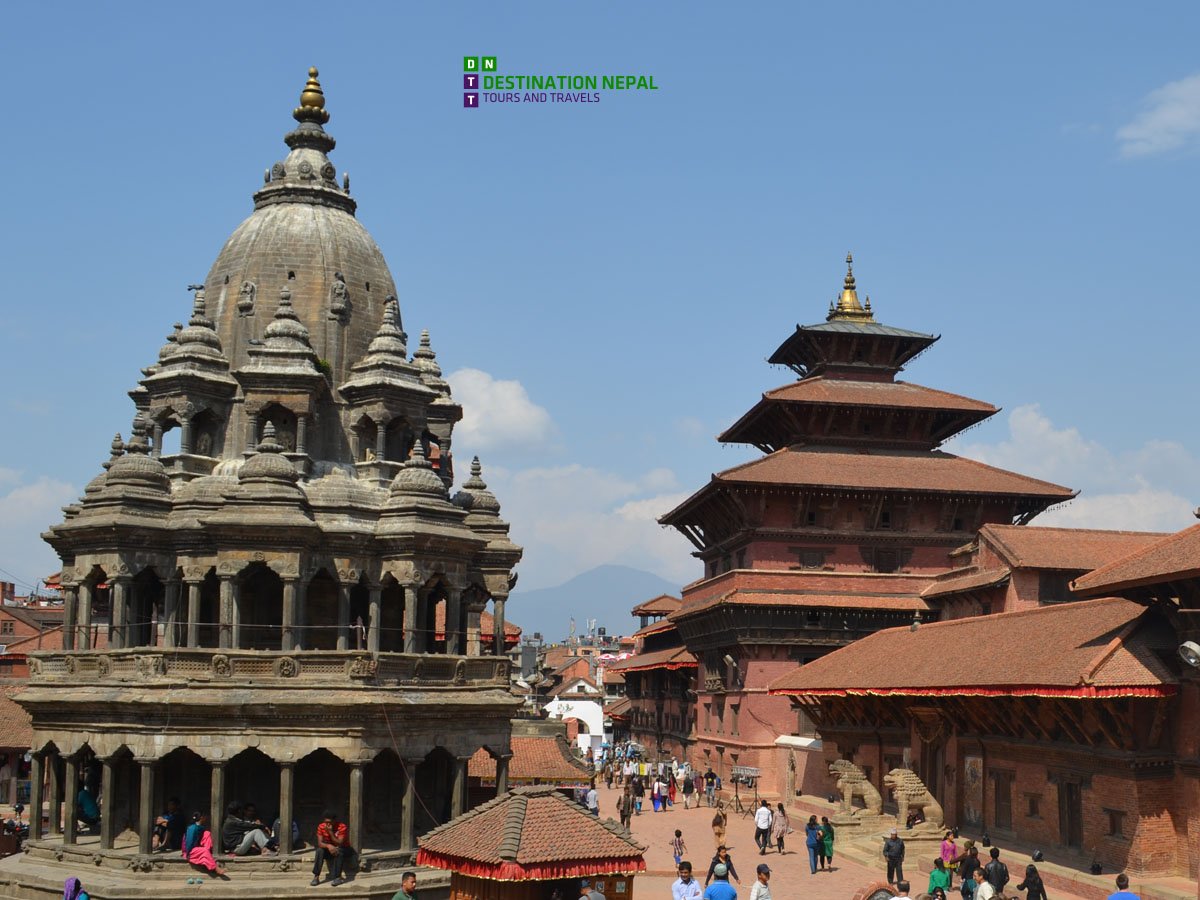
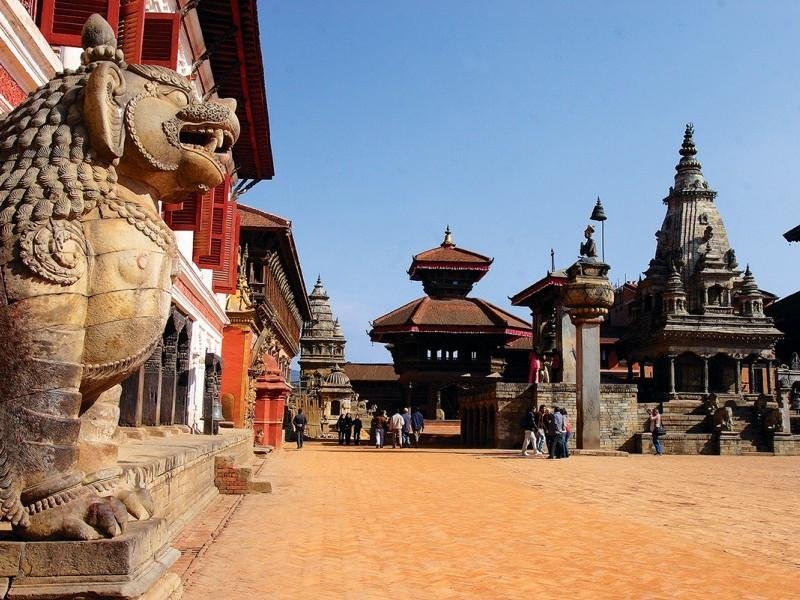
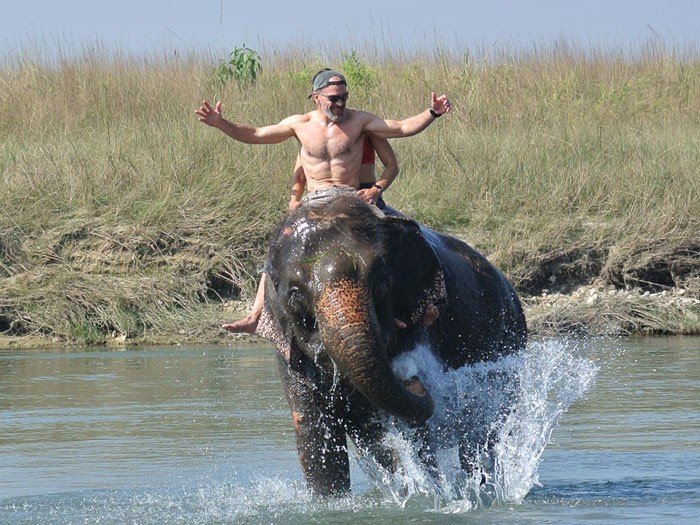
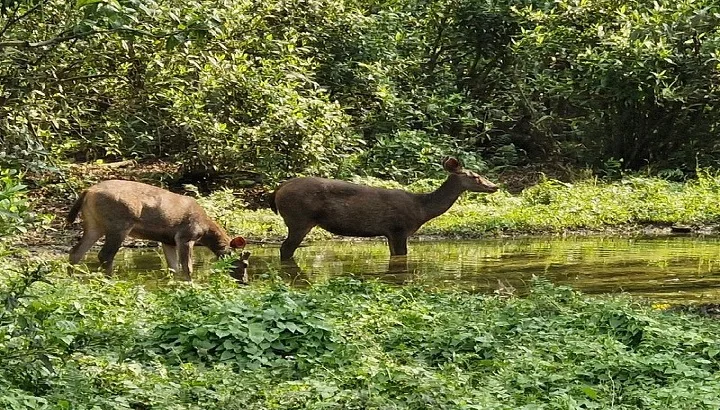
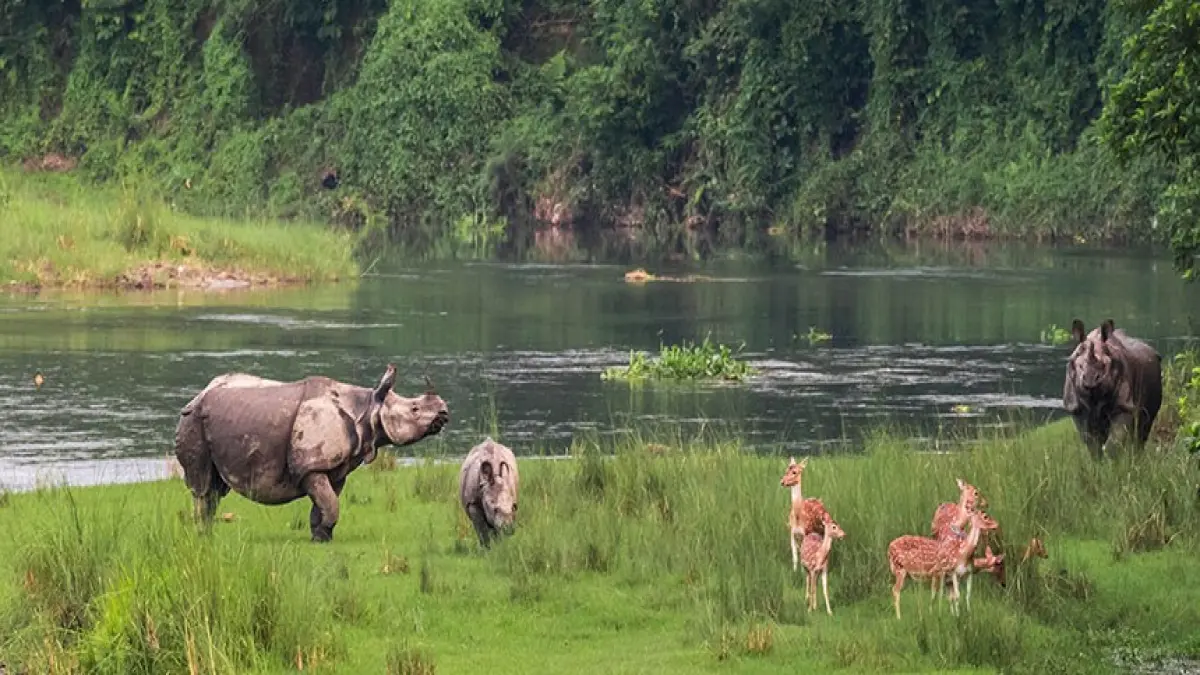
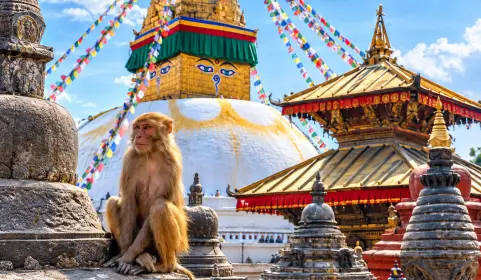 Pashupatinath, Swayambhunath, Boudhanath, Changunarayan, Kathmandu, Patan, and Bhaktapur Durbar Square are major tourist destinations. These 7 areas are also listed in the World Heritage List. More than 5 lakh tourists visit here annually. Similarly, Chitwan National Park is famous for jungle safari, elephant experiences, boat rides on the Rapti River, and observing Tharu culture. More than 1 lakh 50 thousand tourists visit here annually.
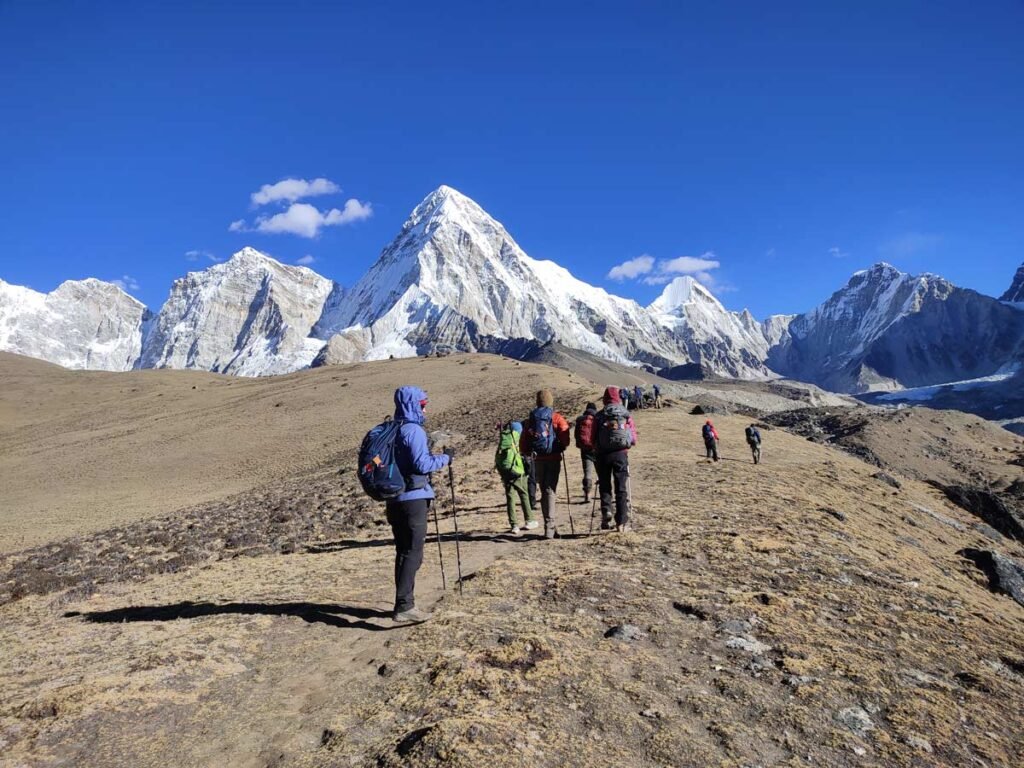
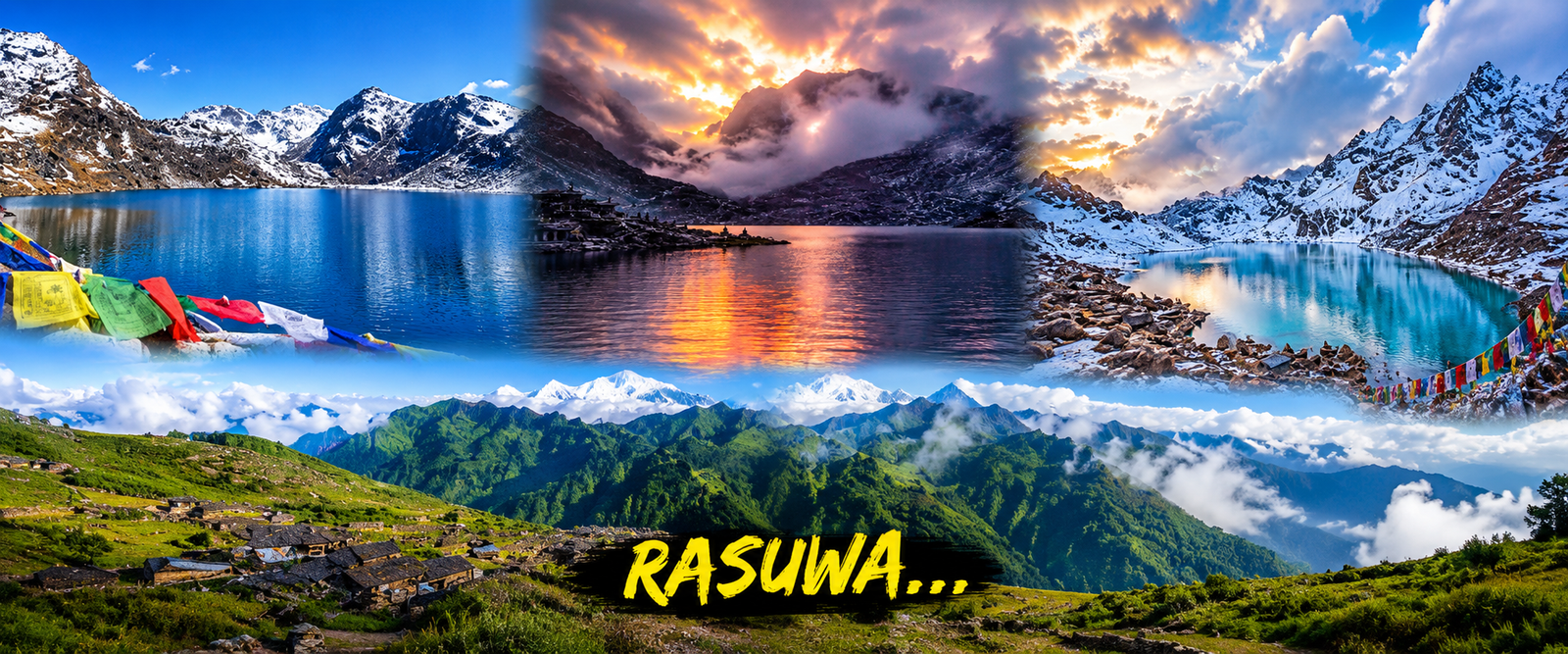
The Langtang-Helambu trekking route is the third most popular trekking area in Nepal. More than 60 thousand tourists visit here annually. Tamang culture, Gosainkunda Lake, and Himalayan views are major attractions. Religious and spiritual sites include Pashupatinath Temple, Swayambhunath and Boudhanath, Dolakha Bhimeshwor, Kalinchok Bhagwati, and Gosainkunda. Historical heritage includes Nuwakot Durbar, Sindhuligadhi, Makwanpurgadhi, Bhaktapur, Patan, Kirtipur Durbar and archaeological sites.
Bagmati Province for Special Cultural Diversity and Identity
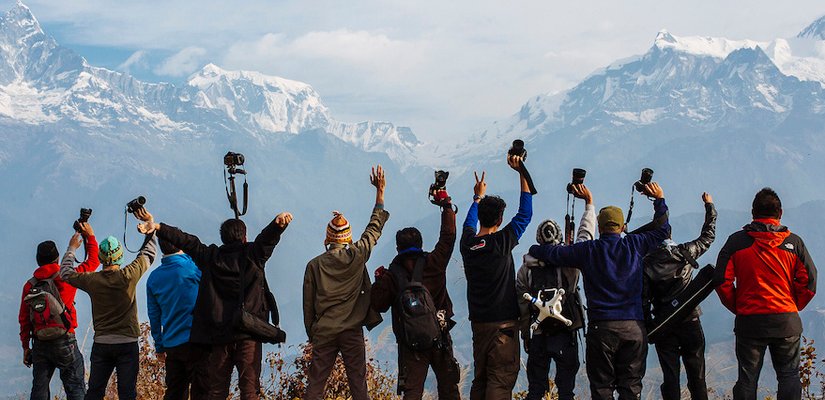
Bagmati Province is also the center of Nepal’s multicultural, historical and religious heritage. Tamang community’s Sonam Lhosar, Newar community’s rich art, Nepali language and culture, and festivals like Dashain, Tihar and Teej have made the social and cultural diversity here vibrant. Nepal’s longest chariot festival, the Rato Machhindranath Jatra, which runs for 1 month, sees participation of thousands of devotees and domestic and foreign tourists. It is even listed in the UNESCO Intangible Cultural Heritage List. Indra Jatra, where the living goddess Kumari is paraded around the city, attracts lakhs of devotees and tourists. Bhaktapur’s Bisket Jatra, which is celebrated twice a year including on Nepali New Year, features traditions of pulling chariots and cultural programs. Similarly, Teej, celebrated as a major festival of Hindu women, is a women’s festival. Red clothes, songs, dance, and collective celebrations are organized, which foreign tourists also experience as a novel and attractive cultural experience.
Local arts and handicrafts including paintings, metal crafts, pottery, handmade paper and other cultural attire are also important. Authentic food traditions including Newari cuisine, Tamang cuisine, Tharu cuisine, and local beverages are also special identities of this region.
Regional Cooperation and Shared Crisis, Shared Solutions with Bagmati Province
South Asia and our neighboring countries India and China are important partners in Nepal’s tourism development. There are ample opportunities for regional tourism cooperation due to shared culture, lifestyle, religious traditions, Himalayan geography and various other reasons. Since the risk of natural disasters in the Himalayan region is also shared, regional cooperation, early warning systems for disasters, and strengthening tourist rescue and safety can be promoted according to the concept of “shared crisis, shared solutions.”
In cooperation with India, there are religious circuits like Lumbini-Ayodhya-Varanasi-Bodhgaya. There is an open border; no visa is required at the Nepal-India border, making movement easy. More than 60 crore middle-class citizens of India can be potential tourists. In regional flights, there are daily flights from Kathmandu to Delhi, Mumbai, Kolkata, and Bangalore. Direct bus routes including Pokhara-Delhi and Bhairahawa-Delhi are operational.
In cooperation with China, the Rasuwagadhi-Kerung border is the main border for China-Nepal cross-border tourism. In Tibet tourism, Kailash-Manasarovar, Lhasa, and Shigatse are sacred places for Nepali tourists. Under the Belt and Road Initiative, cooperation can happen in infrastructure development, roads, railways, and energy sectors. However, as a challenge, border crossings have not fully opened even after COVID. Visa procedures are complex and expensive.
Under SAARC cooperation, joint tourism package programs among SAARC countries should be explored and implemented. It is also necessary to consider visa discounts or free arrangements for tourists from SAARC region citizens.
 Specific Opportunities of Bagmati Province
Bagmati Province has specific opportunities for regional and international tourism development. Buddhist, Shiva-Shakti and Ramayana circuits can be developed and promoted for religious and cultural tourism. Maximum utilization of international airports should be made, regional flights expanded, cross-border tourism facilitated, and attention should be given to tourism infrastructure development targeting the large middle-class market of neighboring countries.
In religious tourism circuits, the Buddhist circuit includes Kathmandu Swayambhunath, Boudhanath, Namobuddha area along with various major Buddhist monasteries and stupas within Bagmati Province, as well as Lumbini, Kapilvastu, Tilaurakot, Ramgram, and Devdaha. Through this, millions of religious tourists can be brought annually, especially from countries like Japan, Korea, Thailand, and Vietnam.
The Shiva-Shakti circuit includes Pashupatinath, Dakshinkali, Kalinchok Bhagwati, Manakamana, and Chandragiri. These are sacred pilgrimage sites for Hindu devotees. Annual Hindu tourists number more than 10 lakhs, especially from India, Malaysia, and Indonesia.
The Ramayana circuit includes Janakpur, Ayodhya, Chitrakoot, and Ramgram. These are sacred places mentioned in the Ramayana epic, where even now more than 5 lakh tourists visit annually.
In infrastructure development, Tribhuvan International Airport has an annual capacity of more than 60 lakh passengers. Since Bagmati Province serves as the arrival and departure point, this province can take the first benefit of this. If Pokhara International Airport and Bhairahawa Gautam Buddha International Airport are brought into full operation, they will prove to be major milestones in the tourism sector, and Bagmati Province, being the capital province, can gain substantial benefits. Similarly, if Tribhuvan Highway is declared as Tourism Highway and tourism infrastructure is developed with policy provisions for various tourism activities, Bagmati Province could take the first benefit. This could establish Indian tourists from the south and tourism centers concentrated in the capital.
Policy Priorities: Short-term, Medium-term and Long-term Plans
For tourism sector development, the government needs to prioritize climate-friendly infrastructure construction and reconstruction, tourist safety along with rescue systems, community-based sustainable tourism, digital promotion and innovation through short-term, medium-term and long-term plans.
Short-term tasks to be done in one to two years include disaster risk reduction. Modern early warning systems should be established in highly exciting and risky trekking route areas like Langtang, Helambu, and Gosainkunda. Twenty-four-hour tourist rescue centers should be opened in important places with dense tourist activities including Kathmandu, Dhunche, Syabrubesi, Ruby Valley, Jiri, and Chitwan. Mandatory accident insurance should be provided for all tourists and tourism entrepreneurs.
In infrastructure repair, roads, bridges, and trekking routes damaged by floods and landslides should be quickly repaired. Financial support should be provided for reconstruction of damaged lodges and hotels. Safety signs, shelters, and communication facilities should be provided on trekking routes for safe trekking routes. Similarly, it is necessary to launch international campaigns like “Nepal is Safe, Nepal is Open.” For domestic tourism promotion, programs like “Ghumphir Bagmati” and “Paradise Bagmati” should be relaunched as campaigns. Special packages should be created to attract tourists from India and China in regional markets.
In digital technology, a National Tourism Digital Dashboard and online booking system should be created, which will be a one-door platform for hotels, lodges, guides, and transportation. Promotion of tourism destinations within Bagmati Province should be done through social media including Instagram, TikTok, YouTube, Facebook, Reels, and Tourist Vlogs.
Medium-term tasks to be done in three to five years include climate-friendly infrastructure. The private sector should be encouraged to build environmentally friendly green hotels and lodges with solar energy, organic waste management, water conservation systems, and carbon-neutral tourism promotion should be done. Focus should be given to building climate-resilient road infrastructure resistant to floods and landslides.
In religious and cultural tourism circuits, complete development of Buddhist circuit, Shiva-Shakti circuit, and Ramayana circuit should be done. Various programs and environmentally friendly structures should be built including Tamang culture circuit with Langtang-Helambu-Gosainkunda-Nuwakot-Makwanpur, Newar culture circuit with Kathmandu-Patan-Bhaktapur-Kirtipur, journey programs and structures from Fort to Fort, and High Himalayan Sports Circuit. The provincial government should focus on these.
To implement these programs, it is necessary to establish project offices with special architecture and infrastructure experts for religious, archaeological and environmentally friendly tourism infrastructure construction under forest environment, archaeology and religious structure construction, rather than trying to carry all these issues with general infrastructure construction.
In regional cooperation, China-Nepal tourism agreements should be made along with facilitating tourist movement through Rasuwagadhi-Kerung border. In India-Nepal open border tourism, routes like Janakpur-Ayodhya, Bhairahawa-Lumbini, and Kathmandu-Patna should be developed. In SAARC tourism cooperation, joint tourism packages should be created among SAARC countries.
It is also necessary to create and implement special packages for foreign Hindu tourists to visit Lord Pashupatinath. In cooperation with the federal government, the provincial government should also advance tourism promotion activities in areas including temples operated through Guthi control and committees inside and outside the valley.
In human resource development, training centers should be established for guides, porters, cooks, and hotel staff. Special programs should be launched to engage women in tourism business. Focus should be given to English, Chinese, Hindi, Japanese, and Korean language training programs.
Long-term tasks to be done in five to ten years include promoting community-based tourism in sustainable tourism models, which provides direct benefits to local communities from tourism. Local products should be promoted: handicrafts, local food, cultural performances. Tourism revenue redistribution should be done, giving local governments their fair share of tourism revenue.
In international-level infrastructure, the provincial government should take the lead in constructing the second international airport. International hotel brands should be attracted to bring high-quality hotel chains. Facilitation should be provided for cable car and ropeway construction.
In research and innovation, provincial tourism research centers, tourism schools and training centers should be established under provincial universities or provincial tourism boards. Climate study centers and regular programs should be operated.
Tourism Workers are the Real Tourism Ambassadors
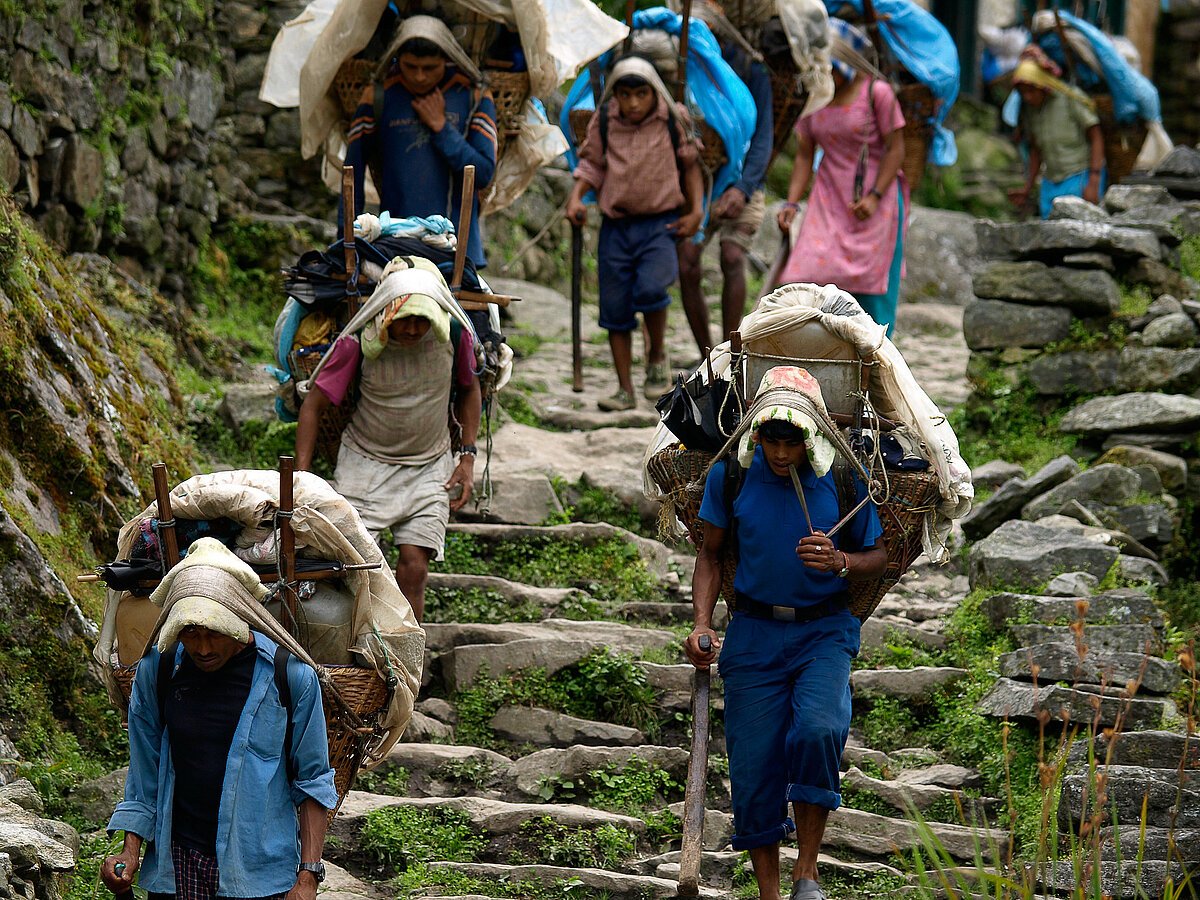
Our guides, porters, hotel and restaurant entrepreneurs, workers and local citizens are the real ambassadors of Nepal’s tourism. The courage, patience and “Atithi Devo Bhava” (Guest is God) spirit they have shown is Nepal’s greatest strength.
In the contribution of tourism workers, there are more than 10 thousand registered guides. There are more than 50 thousand porters, most of whom are unregistered and unsafe. More than 1 lakh direct jobs are in the hospitality sector. There are also lakhs of workers in lodges, restaurants, transportation, and handicrafts. They face low wages, unsafe working conditions. They are deprived of social security, insurance, and pensions. There is only seasonal employment. The provincial government needs to focus on ensuring minimum wages, mandatory accident insurance and health insurance, along with training and capacity development programs, and connecting workers to social security funds.
Commitment to Environment-friendly, Safe, Inclusive and Sustainable Tourism
Finally, disasters are never permanent. Rather, our firm willpower, hard work and cooperation are permanent strengths. Nature gives golden opportunities along with challenges. If we all move forward together, we can again increase the attraction of tourists from around the world to our mountains, rivers, trekking routes, culture and heritage. Let us come together on this opportunity after the disaster and make a commitment. Let us pledge to make Nepal’s tourism more environment-friendly, safe, inclusive, responsible and sustainable. Let us continuously move forward on the journey of establishing Nepal as one of the world’s most attractive, safe and vibrant tourist destinations by transforming the challenges created by natural disasters into opportunities, and let us work hand in hand with all stakeholders.
Thankyou.